
3 Steps to Leverage Your Customer Health Score
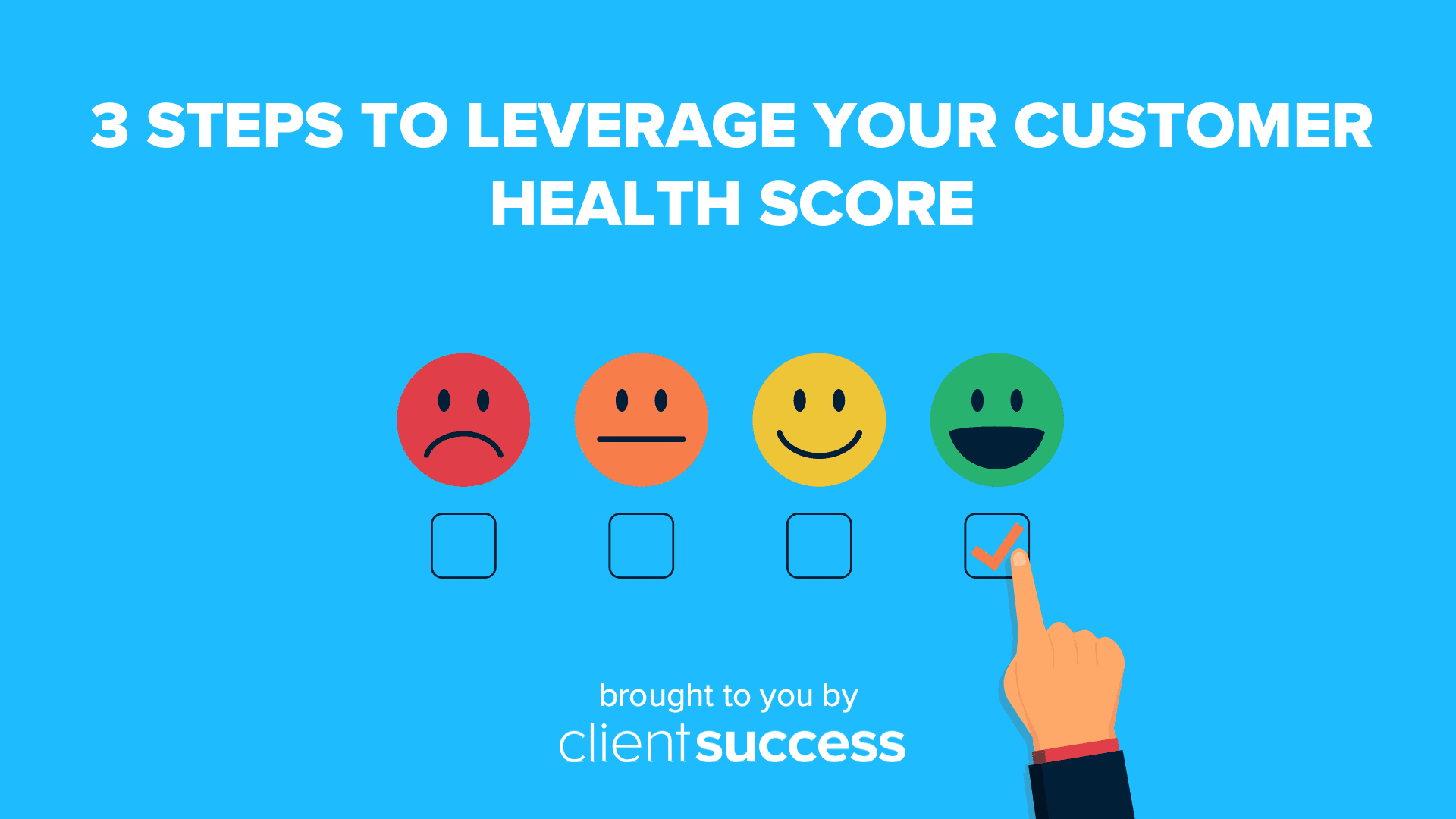
A customer health score is only useful if you act on it. Three steps: identify the accounts that need attention, ideate the next move, then intervene.
TL;DR
- A Customer Health Score combines customer success and sentiment signals into one number that flags whether an account is healthy or at risk.
- Leverage it in three steps: identify which customers need attention (including healthy ones ready to be references), ideate the next move using playbooks or root-cause analysis, then intervene proactively.
- When you intervene, keep the conversation focused, data-backed, and transparent — and set aside personal agendas like upsells or renewals.
Customer Success Managers (CSMs) use multiple metrics and numbers to understand customer sentiment and how customers feel about a product and their vendor team. In recent years, high-performance customer success teams have begun leveraging a holistic overall metric that combines the various elements of customer success and customer sentiment into a single, easy-to-understand number: the Customer Health Score.
A Customer Health Score allows CSMs, department leaders, and other key stakeholders in an organization to identify if a customer is ‘healthy’ quickly or ‘at risk.’ The Health Score serves as an internal signal alerting CSMs and other resources of customer behavior and sentiment, which can help guide strategic next steps and long-term planning.
Here are three steps to leverage your Customer Health Score:
- Identify: Using the data, metrics, and insights that make up your Customer Health Score, you can identify customers that need your attention. Understanding the data and the Customer Health Score is the first step. Keep in mind that you aren’t just identifying at-risk customers. Even if a customer is doing amazing things and has a ‘healthy’ score, your team can use the Customer Health Score to identify customers ready to act as a reference, participate in an upcoming webinar, or partner on an external case study.
- Ideate: Once you have identified which customers need your time and attention (on both sides of the ‘health’ scale), it’s time to determine the next steps. If possible, now is the perfect time to leverage your team’s internal playbooks for the specific situations your customers are in. If your team doesn’t have an existing playbook for a given situation, dig deeper into the data behind the Customer Success Score to figure out what is really going on. Once you determine the root cause, issue, or situation, outline the next steps and strategy in your customer success platform so other team members can stay in the loop.
- Intervene: Finally, it’s time to bring your customers into the equation. You have the data in hand and the strategic next steps or playbook ready to go, and now it’s time to reach out to your customers in a proactive manner to offer your support. Remember to be thoughtful about how and when you’re reaching out and transparent about why you’re taking the steps you’re taking. Everything discussed should be designed to bring value to the customer and help them through whatever situation they’re in, so check any personal agendas (such as upsells or renewals) at the door. Your conversation should be focused, data-backed, and transparent for both sides.
Is your team leveraging Customer Success Scores with your customers? You can learn more about Customer Health Scoring and other metrics with these additional ClientSuccess resources: ** **
- Webinar: How to Build a Health Score that Actually Works
- eBook: 3 Steps To Putting Your Customer First This Year
- Toolkit: Churn Management Toolkit
Frequently Asked Questions
How do you use a customer health score?
What is a customer health score?
What should you keep in mind when reaching out about a health score?
See how ClientSuccess scales the playbook you've built.
Walk through it with a CS-led demo and see how it'd fit your team.