
What Factors Make the Best SaaS Onboarding Experience?
The factors behind a great SaaS onboarding experience — knowing the customer's goals, having the right tools and resources, and defining what success means.
TL;DR
- A great SaaS onboarding experience rests on three factors: familiarity with the customer and their goals, the right tools and resources for both sides, and a shared understanding of what success means.
- Onboarding is often a customer's first contact with your company outside of sales, making it the prime moment to set the tone for the entire relationship.
- Define success metrics with the customer up front and put tracking in place, since you can't deliver a successful onboarding without knowing what success looks like to them and your business.
As your team is planning out the customer onboarding experience, it’s helpful to look at the situation from through a customer’s eyes. Your customer has just been through a whirlwind sales experience that may have been months – even years – long. SaaS sales experiences are not necessarily known to be smooth sailing, and customers might still have plenty of questions about your product and its value coming out of this process.
Additionally, onboarding is often the first contact a new customer has with your company (outside of sales) which makes it the prime time to make a great first impression. Delivering an amazing onboarding experience to new customers can set the tone for the rest of your customer/vendor relationship right out of the gate, so it’s imperative to get it right.
Here are a few factors that can help set the stage for amazing SaaS onboarding experiences:
Familiarity with the customer and their goals.
** **In the customer success world, it’s easy to want to jump into a new customer onboarding process feet first. After all, most CSMs get into the customer success world because they love being hands-on and working with customers. Before you get too far down the road, however, it’s a good idea to know what your new customer is trying to achieve with your product. Work with sales – and even try to sit in on a few late-stage sales meetings – to understand what’s been discussed, what value and/or products were sold, and what the customer is looking for long-term.
The right tools and resources to make onboarding easy for both sides.
Onboarding can become very overwhelming for both sides pretty quickly, so it’s important to stay as organized and in sync with your customers as possible. There are two parts to the organization: the tools and the resources. Customer onboarding shouldn’t fall behind because of technical difficulties or missed deadlines. Similarly, there needs to be the right human resources available to assist the CSM in charge as well as the customers with any questions they might have. This could be members of the product or strategic team or even internal customer success team members with floating roles.
Understanding what ‘success’ means.
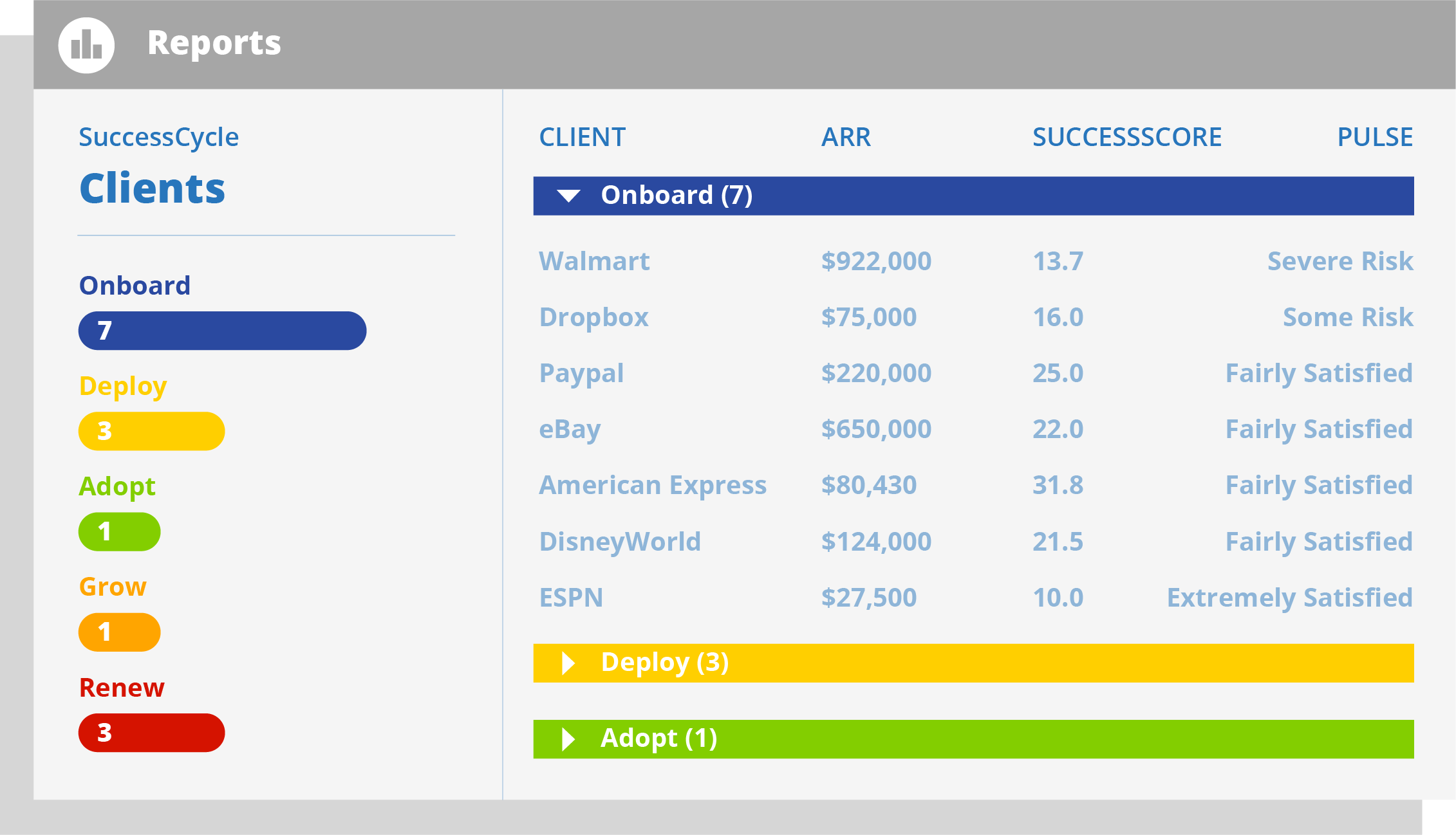
It’s hard to develop a successful onboarding experience if you don’t have a firm grasp on what ‘success’ actually means to your customers and, equally as importantly, your business. This means putting metrics in place to track the KPIs your team deems most important and having the solutions to visualize where you’re meeting your goals and where you’re falling short. Right out of the gate you should discuss success metrics with your customers (at least, the customer-facing metrics) and demonstrate that your team is dedicated to proactively meeting these numbers at every turn.
While there are plenty of playbooks and strategies for what makes customer onboarding a success, every team – and every customer – is different. Your customer success team must be flexible and agile enough to quickly adapt to your individual customer’s needs and wants. While some accounts might warrant a high-touch approach, others might be more comfortable with low-touch engagement. Making sure that your CSMs are equipped with the right tools to succeed regardless of customer preferences will set your team up for saleable, long-term success.
Frequently Asked Questions
What makes a good SaaS onboarding experience?
Why is SaaS onboarding so important?
How do you measure onboarding success?
See how ClientSuccess scales the playbook you've built.
Walk through it with a CS-led demo and see how it'd fit your team.