
3 Tips For Leveraging CRM For Your Post-Sales Cycles
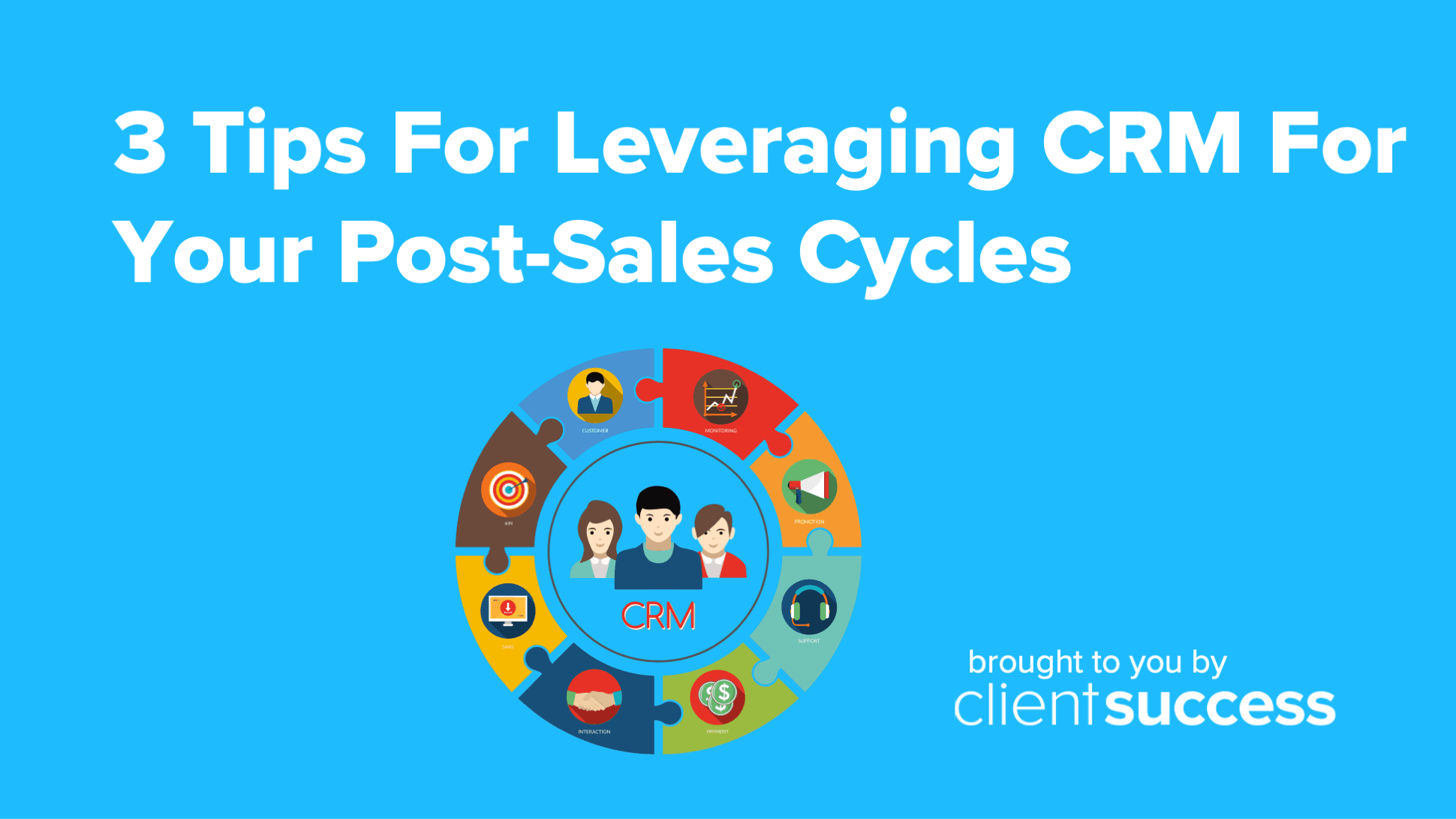
Three tips for leveraging a CRM in your post-sales cycles: keep it seamless from pre- to post-sales, choose a CS-built platform, and align with other teams.
TL;DR
- Three tips for leveraging a CRM in post-sales cycles: keep the process seamless from pre- to post-sales, find a platform custom-built for customer success, and work with other teams to dictate the customer journey.
- A CS-specific CRM keeps post-sales activities — meeting notes, sentiment, growth forecasting — in a single location built to onboard, retain, and grow customers.
- The handoff from sales to onboarding is often glitchy for customers, so a consistent CRM process across the transition helps show immediate value and maintain momentum.
In the past decade, CRMs have revolutionized customer relationships. From tracking prospects to recording sales interactions - teams can unlock incredible insights with a good Customer Relationship Management platform. But what happens once customers become clients? Many SaaS firms overlook post-sale CRM use or struggle to find something that meets their needs for data capture and reporting in the customer success lifecycle. As such, those who successfully leverage comprehensive CRMs after purchase often reap powerful rewards!
If your team is thinking about leveraging a CRM during the post-sales cycles of your SaaS business, here are a few tips to keep in mind:
1. Your company’s CRM process should be seamless from pre- to post-sales
One of the biggest reasons the customer onboarding process has such a negative stigma is that new customers, often already overwhelmed by a long sales process, are jolted into yet another long line of meetings and introductions. Although it may sound revolutionary to some, the post-sales process should be seamless for customers transitioning from sales, and this same mentality goes for the CRM itself. Whether it’s recording customer interactions, collecting meeting notes, or assigning tasks, your post-sales CRM management process should look the same for both customers and your internal team alike.
2. Find a platform that is custom-built for customer success
As CRM platforms have become ‘must have’ tools for sales teams, the market has been flooded with platforms designed for all kinds of customer-focused activity. For post-sales activities and customer success workflows, having a CRM platform that is specifically designed to help onboard, retain, and grow customers is key. All of your post-sales customer activities from meeting notes to customer sentiment to growth forecasting is available in a single location for easy access and organization.
3. Work with other teams to dictate your customer journey
The customer journey is in place to help guide customer success teams and their customers towards desired outcomes. While a dedicated post-sales CRM is a great tool to help manage this process, actually working with your sales, marketing, finance, and product teams can help ensure that the steps outlined during this process (and the features available in your CRM platform) are all providing value at every step of the process.
For many new customers, transitioning from the sales process to the onboarding process can be glitchy and uncomfortable. Post-sales CRM platforms are a key tool for customer success teams who want to show immediate value to customers out of the gate and to keep that momentum going down the road. By keeping the above tips and mind – and adopting a dedicated post-sales CRM platform and process – your team can ensure that customers remain happy and satisfied with your team.
Frequently Asked Questions
How should you use a CRM in post-sales cycles?
Why use a customer-success-specific CRM after the sale?
See how ClientSuccess scales the playbook you've built.
Walk through it with a CS-led demo and see how it'd fit your team.